
Heritage Garden Tours Logo Inspiredbusinesses Contact Us
Contact Us

Birr Castle Demesne: History and Horticultural Treasures

Discover the castle grounds in County Offaly with insights into the estate's heritage. Learn about the rare plants and how to pace a full-day visit.

14 min read All Levels June 2026
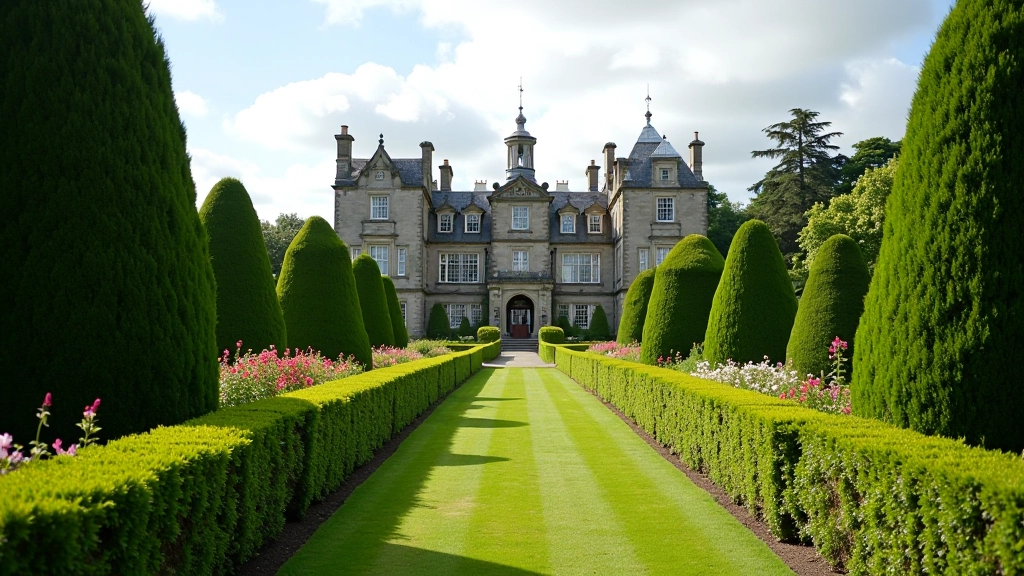
Birr Castle Demesne showing the historic castle structure and surrounding manicured gardens with tall hedges and flower beds
Siobhán O'Rourke

By

Siobhán O'Rourke

Senior Heritage Gardens Correspondent

Heritage gardens correspondent with 16 years' experience in Irish estate tourism and accessible garden design for older adults.

A Castle Steeped in Heritage

Birr Castle isn't just an estate — it's a living history book spread across 120 acres in County Offaly. Built in 1620 and continuously developed by the same family for over 400 years, the demesne tells stories of Irish resilience and horticultural passion. You'll find Victorian innovations standing beside medieval walls, creating a landscape that rewards slow exploration.

What makes Birr different is the scale and the quiet. Unlike busier heritage sites, you're not rushing between designated points. The grounds invite wandering — through woodland, past rare plant collections, around the castle itself. Most visitors spend 4 to 6 hours here, which is the sweet spot. Not too hurried, not exhausting.

Did you know? The castle once housed a telescope that was the largest in the world. While the original is gone, the stone support tower remains — a reminder of Birr's role in scientific advancement during the 1800s.

The Formal Gardens

The formal gardens sit immediately around the castle, with symmetrical beds, hedged walks, and focal points that draw your eye across the landscape. These gardens were redesigned in the 1840s by the Earl and Countess of Rosse, who shared a genuine passion for horticulture. You'll notice the precision — the yew hedges stand 12 to 15 feet high in some places, creating natural corridors that frame views of the castle.

Walking these paths is manageable at any pace. The ground is mostly level, and there's seating scattered throughout. The spring bulbs (daffodils, tulips) are spectacular in March and April. Summer brings roses and hydrangeas that feel like stepping into an earlier century. Even in autumn and winter, the structure of the gardens holds visual interest.
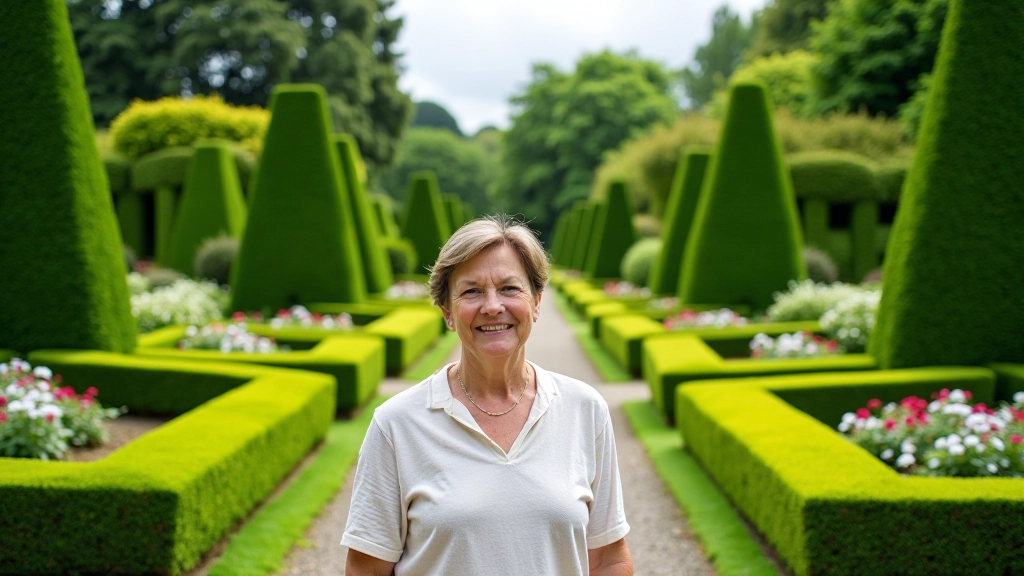
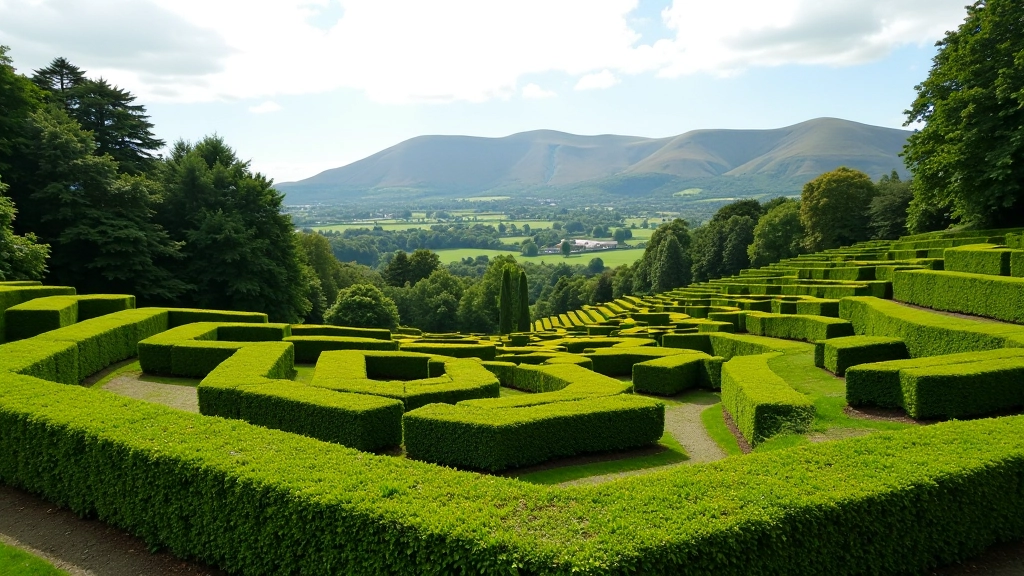
Formal garden at Birr Castle with carefully trimmed hedges, ornamental stone paths, and manicured flower beds in organized geometric patterns
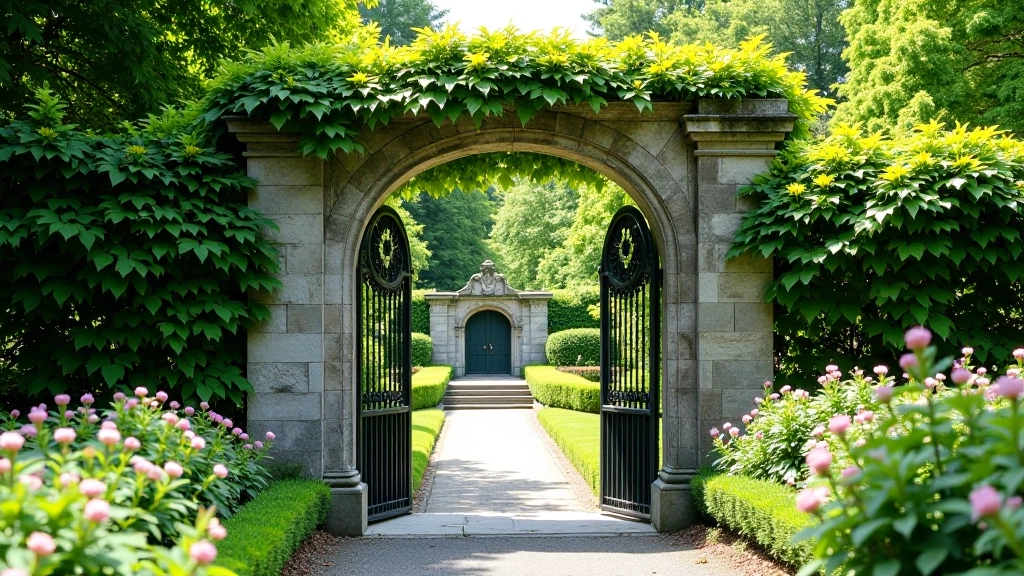
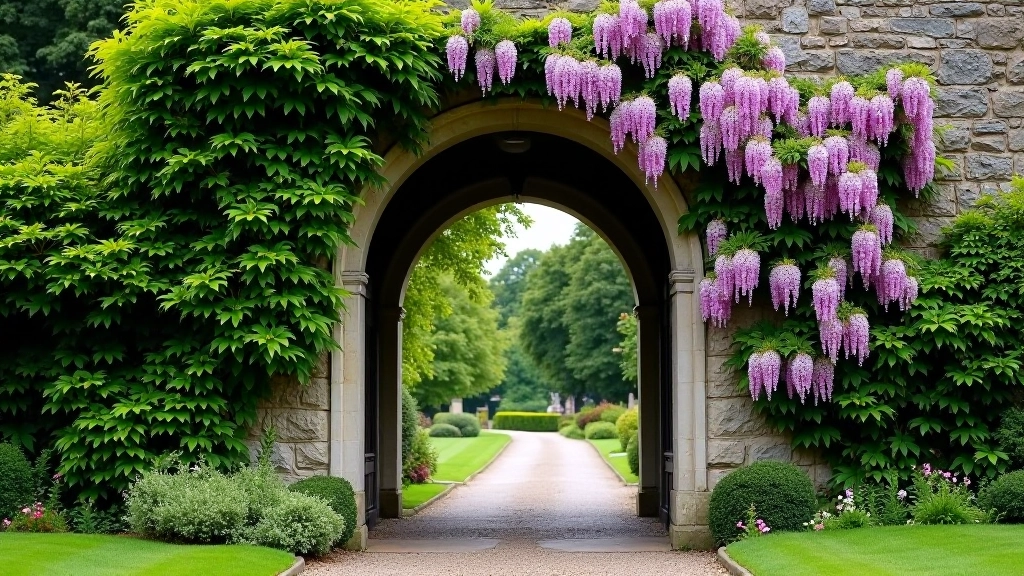
Birr Castle's historic stone archway entrance with climbing ivy and flowering wisteria, leading into the castle grounds

The Woodland and Rare Plants

Beyond the formal areas lies something rarer — a woodland collection that rivals much larger botanical gardens. You're talking Himalayan magnolias, Chinese dogwoods, and specimen conifers from around the world. The estate has been collecting plants for centuries, and you can sense that commitment walking through.

The woodland walks are shaded and peaceful. Spring here is absolutely worth planning for — the magnolias and camellias create a floral display that feels almost otherworldly. Don't rush these paths. There's a naturalness to them that rewards pausing to look closely. You'll spot plants with tiny identification plaques, each one with a story about where it came from and when it arrived.

This article provides informational content about Birr Castle Demesne for educational and travel planning purposes. Garden layouts, plant collections, and opening hours may change seasonally or annually. Always check the official website for current visiting information, accessibility details, and any restrictions before planning your visit. This content isn't a substitute for official site guidance.

Planning Your Visit: Pacing and Practicalities

Here's the practical bit. The demesne covers substantial ground, but you don't have to walk all of it. Most visitors choose a loop that takes 3 to 4 hours at a comfortable pace. That gets you through the formal gardens, along the woodland paths, and past the major features without exhaustion.

The grounds are generally flat to gently sloped. There's a café near the castle entrance for breaks, and the facilities are clean and well-maintained. Wear comfortable walking shoes — the paths are gravel and grass, not pavement. Spring and autumn offer the best weather for extended walks; summer can be warm, and winter paths can be muddy depending on rainfall.

Bring water and a light snack if you're planning to stay longer. There's real shade in the woodland sections, which is valuable on warm days. Photography is encouraged, especially if you're documenting plant collections or architectural details.

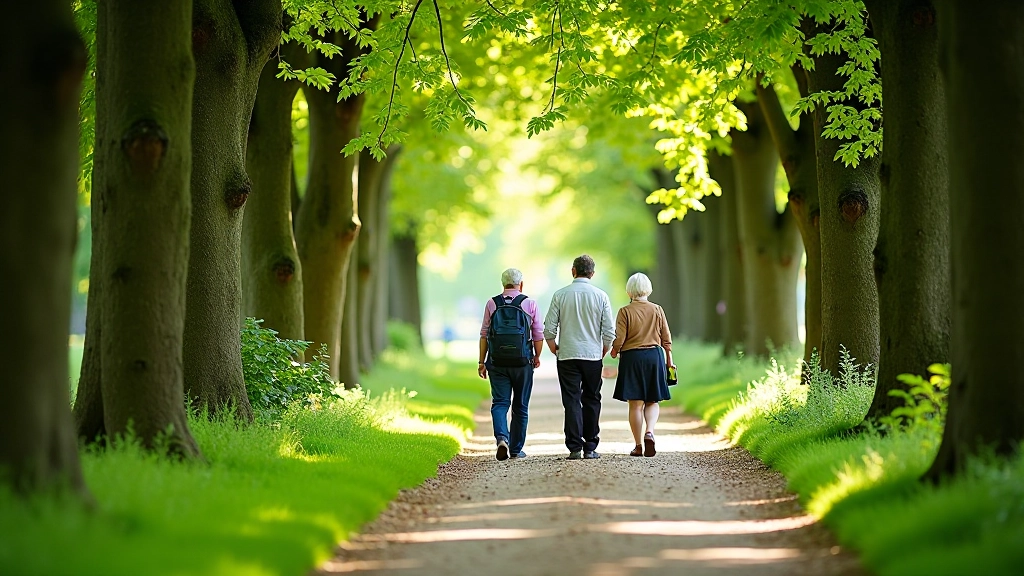
Visitors walking along a tree-lined path in Birr Castle woodland gardens, with dappled sunlight filtering through the canopy

Seasonal Highlights Worth Planning For

Spring (March–May)

Magnolias and camellias peak in March and April. The formal gardens fill with spring bulbs. Rhododendrons bloom through May. This is the busiest season but honestly the most rewarding.

Summer (June–August)

Roses dominate the formal gardens. The woodland stays cool and green. Hydrangeas provide late-summer color. It's warm but the shade keeps things comfortable.

Autumn (September–October)

Foliage turns rich colors in the woodland. Fewer crowds than spring. Still pleasant for walking. Late September and early October are ideal.

Winter (November–February)

Quieter and contemplative. Evergreens and structure become visible. Winter-flowering plants provide subtle color. Paths can be wet — bring good shoes.

Pink and white magnolia blossoms in spring at Birr Castle, with soft petals against a clear blue sky

Beyond the Garden: The Castle Itself

The castle isn't open for interior tours — it's a private residence. But the exterior is photogenic and historically significant. The tower stands 70 feet tall and dates back to the 1600s. Walking around it gives you a real sense of scale and age.

There are several vantage points for photography, and the castle reflects differently depending on time of day and season. Morning light is soft and golden; afternoon creates stronger shadows that emphasize architectural details. If you're interested in Irish architectural history, the guided information boards scattered throughout explain the construction and modifications over centuries.

Why Birr Stands Out

Birr Castle Demesne isn't a destination you rush. It's a place that rewards taking your time, pausing to examine a plant label, sitting on a bench in the sun, or lingering in the woodland to listen. The combination of history, horticulture, and genuine beauty makes it special. You're walking through centuries of care and passion for plants and landscape.

For visitors looking for a full day that balances activity with contemplation, Birr delivers. The pacing is yours to set. The grounds are accessible and well-maintained. And the collection of plants — both common favorites and genuine rarities — gives you something real to explore and learn from.