Wicklow and Tipperary Estate Gardens: Quiet Escapes
Beyond the famous estates, discover smaller gardens and grounds throughout these counties. Fewer crowds, beautiful scenery, and genuine local character.

The Hidden Charm Beyond the Main Gates
When you think of estate gardens in Ireland, you'll probably picture Powerscourt or Mount Usher first. They're magnificent — and they're crowded. But if you're looking for something quieter, something where you can actually hear the birdsong and have space to breathe, Wicklow and Tipperary hold some real treasures that don't make it into the guidebooks.
We've spent the better part of a decade exploring these counties' lesser-known estates, and what we've found consistently impresses us. Gardens that've been tended for generations. Grounds that still feel like someone's home rather than a tourist attraction. Places where you can walk for an hour without seeing more than a handful of other people.
What makes these places special? They're not trying to be something they're not. The gardens exist because families loved them. They've been maintained with care, not spectacle. You'll find yourself slowing down naturally here.
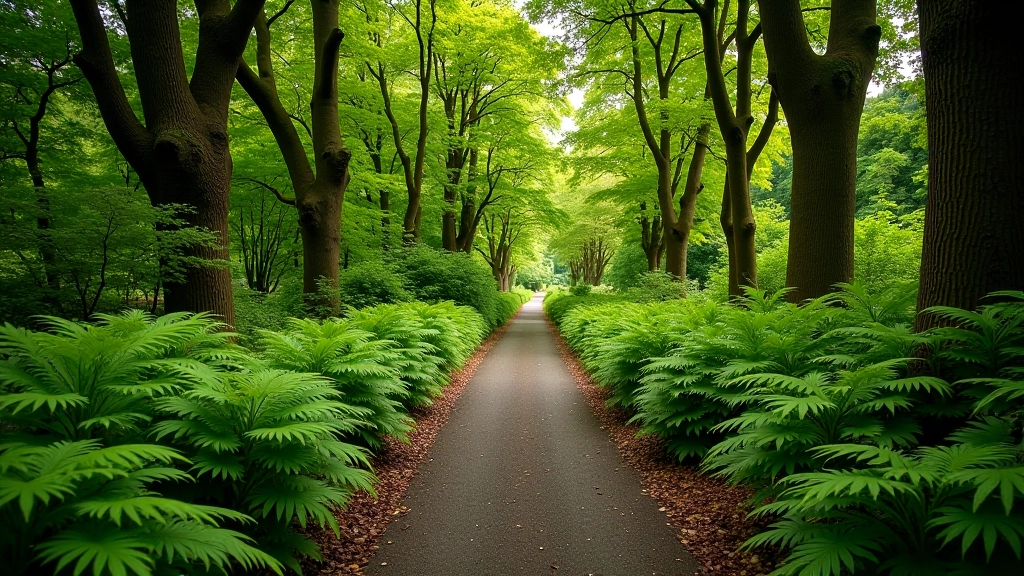
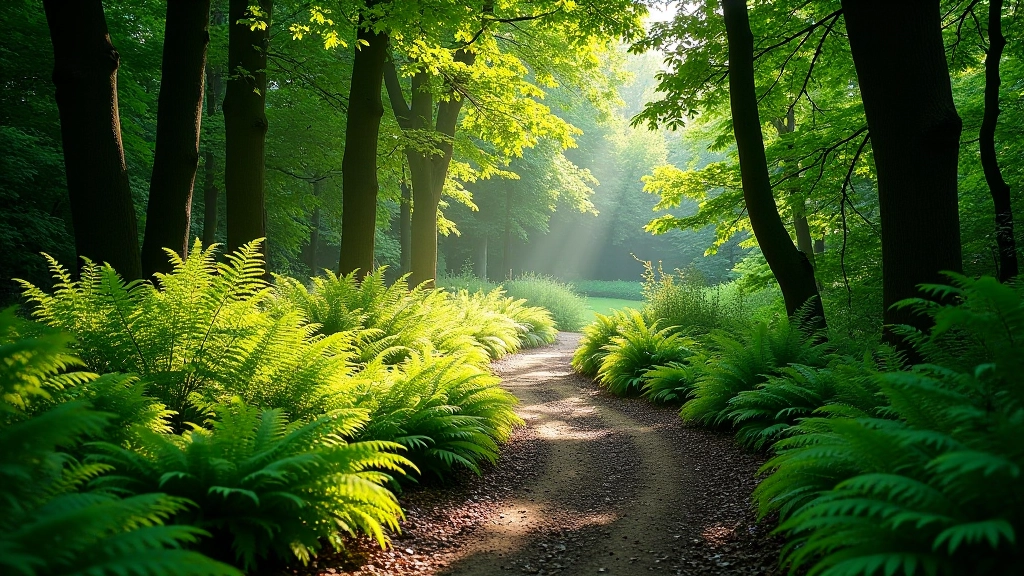
The walking is generally easier too. Most of these estates don't have the steep terrain you'll find at some of the bigger attractions. Paths are well-maintained but feel natural. You're not navigating crowds or waiting for gaps to take a photograph.
Discovering Gardens with Real Personality
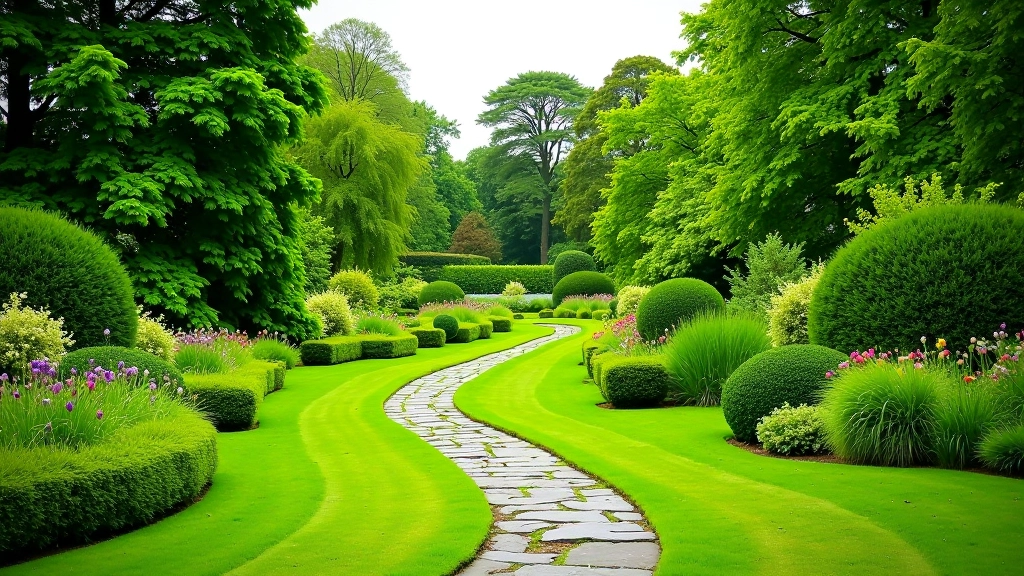
One thing that strikes you immediately when you visit these quieter estates is how personal they feel. Wicklow's rolling landscape — that's where you'll find gardens that seem to grow out of the land naturally. Stone walls that aren't barriers but part of the design. Trees that've been here for 150 years or more. These aren't manicured in the formal sense. They're lived-in, which is exactly why they work.
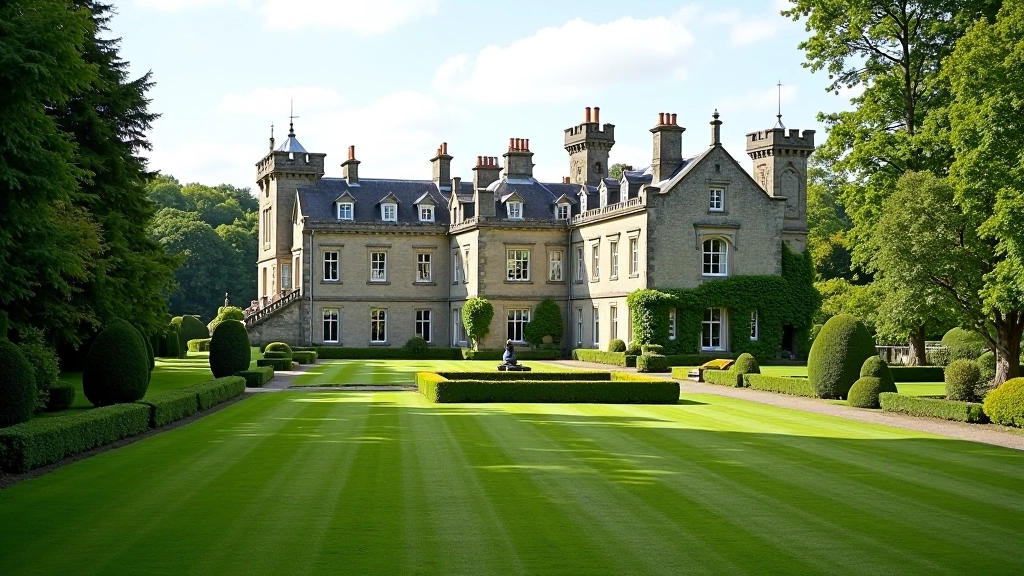
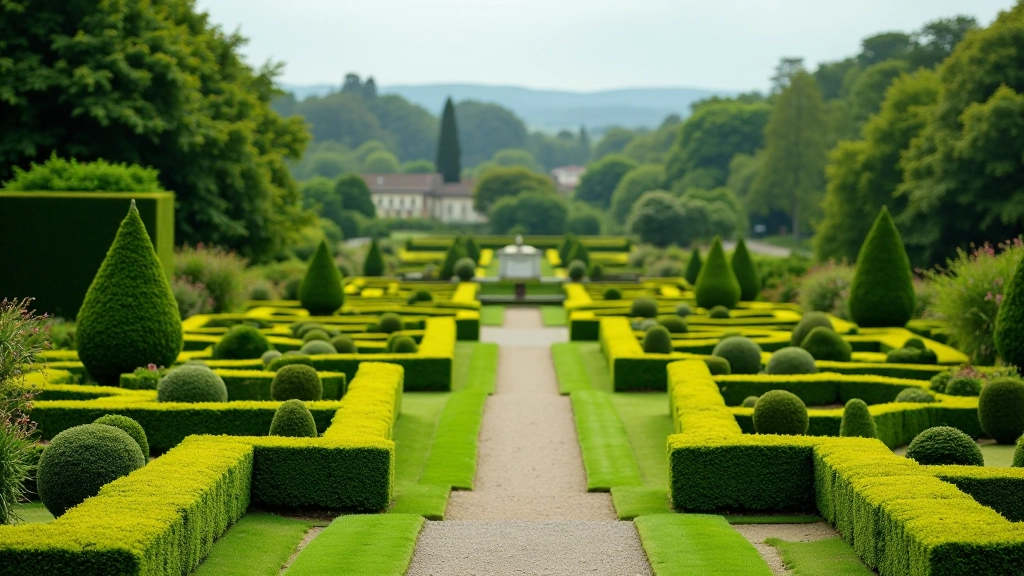
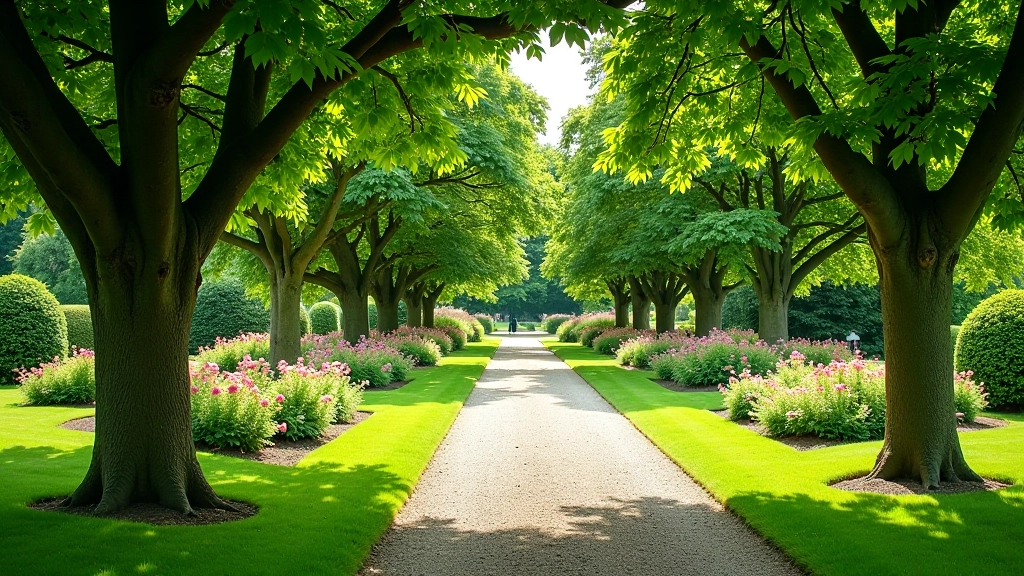
Tipperary's estates tend toward something different. You'll find more formal layouts here — Victorian influence, terraced areas, deliberate plant groupings. But they've aged beautifully. The stone's weathered. The gardens feel established rather than staged. That matters if you're someone who appreciates authenticity over polish.
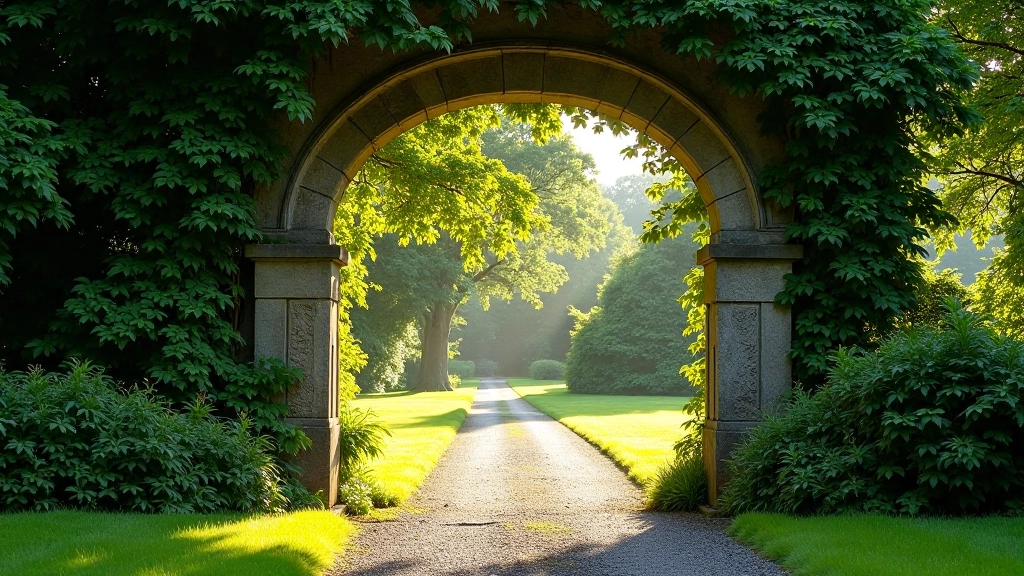
The best part? These gardens change with the seasons in ways that bigger estates sometimes miss. Spring brings wildflowers you won't see in managed landscapes. Summer's warm and green. Autumn turns everything golden. Winter reveals the structure underneath — and honestly, that's when some of these places look their best. The bones of the gardens become clear.
Walking Routes That Don't Rush You
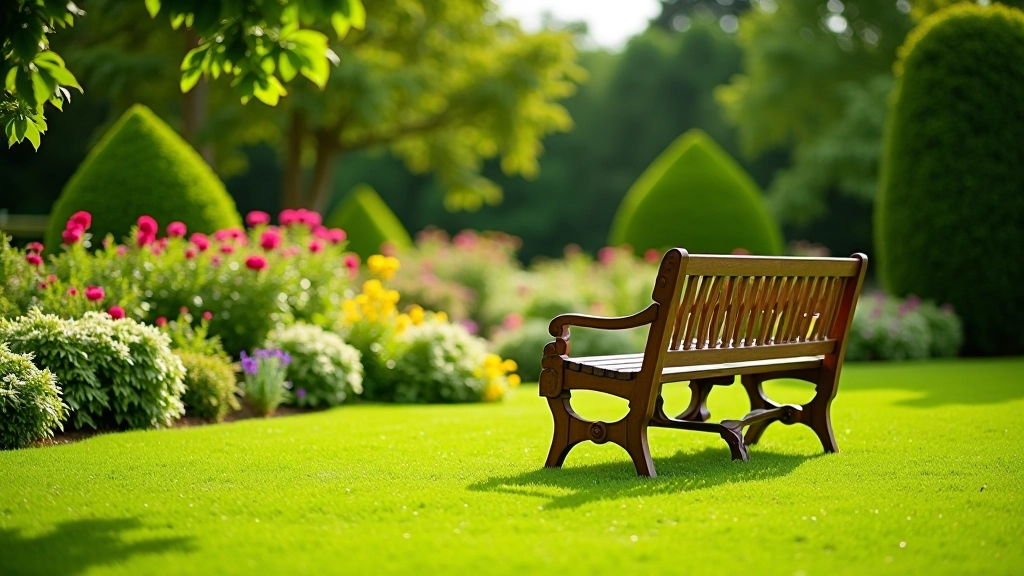
If you're visiting these estates, you're probably not interested in power-walking. You want to see things properly. Sit on a bench. Watch the light change. Maybe chat with a groundskeeper who actually knows the garden's history rather than reading it off a laminated card.
Most of these quieter estates offer walking routes between 45 minutes and 2 hours. That's not a rushed experience. You can stop frequently. Bring a camera if you want — though you'll find the light here makes photography almost unnecessary. The garden speaks for itself.
Tips for Your Visit
- Visit on weekdays if possible — even quieter estates see more people on weekends
- Morning light is exceptional, especially in spring and autumn
- Wear comfortable shoes with good grip — paths can be uneven
- Allow extra time if you're not a fast walker — that's the whole point
- Check opening times ahead — some estates have seasonal variations
The Difference a Quiet Garden Makes
There's something restorative about walking through a garden where you're not constantly aware of other visitors. Your pace naturally slows. You notice details. The way a stone wall's been built. How the plants interact with each other. The sound of water if there's a stream or pond.
People often ask us whether these quieter estates are worth the drive from Dublin or Limerick. The answer's always yes — but not because they're more impressive than the famous places. They're worth it because they offer something different. They give you space to think. To walk without rushing. To remember why you wanted to visit a garden in the first place.
You won't find gift shops or tea rooms at most of these places. That's intentional. The focus is on the gardens themselves. Bring a flask of tea if you want. Sit for as long as you like. Nobody's going to hurry you along.
Planning Your Quiet Garden Escape
Start with your own interests. Are you drawn to formal Victorian gardens? Or do you prefer something wilder, less structured? Wicklow and Tipperary have both. The terrain varies too — if you prefer level walking, some estates suit you better than others. We'd suggest checking ahead about accessibility and path conditions.
Spring's wonderful if you want to see bulbs and new growth. Summer offers shade and the fullness of mature planting. Autumn's probably the most dramatic time — the colours are genuine, not forced. Winter's quiet in a different way. The gardens reveal their structure, and the light's lower and warmer.
Combine a few visits if you can. Spend an afternoon at one garden, then move on. You don't need to tick boxes or see everything. In fact, that's the opposite of what these places are about. Come back to your favourite. Notice how it changes. Let it become familiar.
Please note: This guide is informational based on our experience visiting these gardens. Opening hours, accessibility features, and walking routes can change seasonally. We recommend checking directly with each estate before your visit to confirm current conditions, any fees, and specific accessibility details. Some gardens may have restricted areas or seasonal closures. Always follow posted signage and respect private property boundaries.
Why Quiet Matters
Garden visiting doesn't need to be about ticking off famous names or taking the perfect Instagram photo. Sometimes the best visits are the quiet ones. When you can hear yourself think. When a garden feels like a discovery rather than a destination. That's what Wicklow and Tipperary offer if you're willing to look beyond the main attractions.
These estates have survived this long because people loved them. They still do. That love shows in every pathway, every planted border, every preserved structure. You'll feel it when you visit. And you'll likely find yourself coming back.
Ready to explore more Irish gardens?
Browse All Heritage Garden GuidesExplore More Heritage Gardens